Treatment of COPD


COPD is a progressive condition, but the right treatment and self-management can make a difference. Your plan may include inhalers, steroid tablets, antibiotics, oxygen therapy, and support for flare-ups through a Rescue Pack.1,2
Your healthcare team will talk to you about the right treatments for you at your appointments.
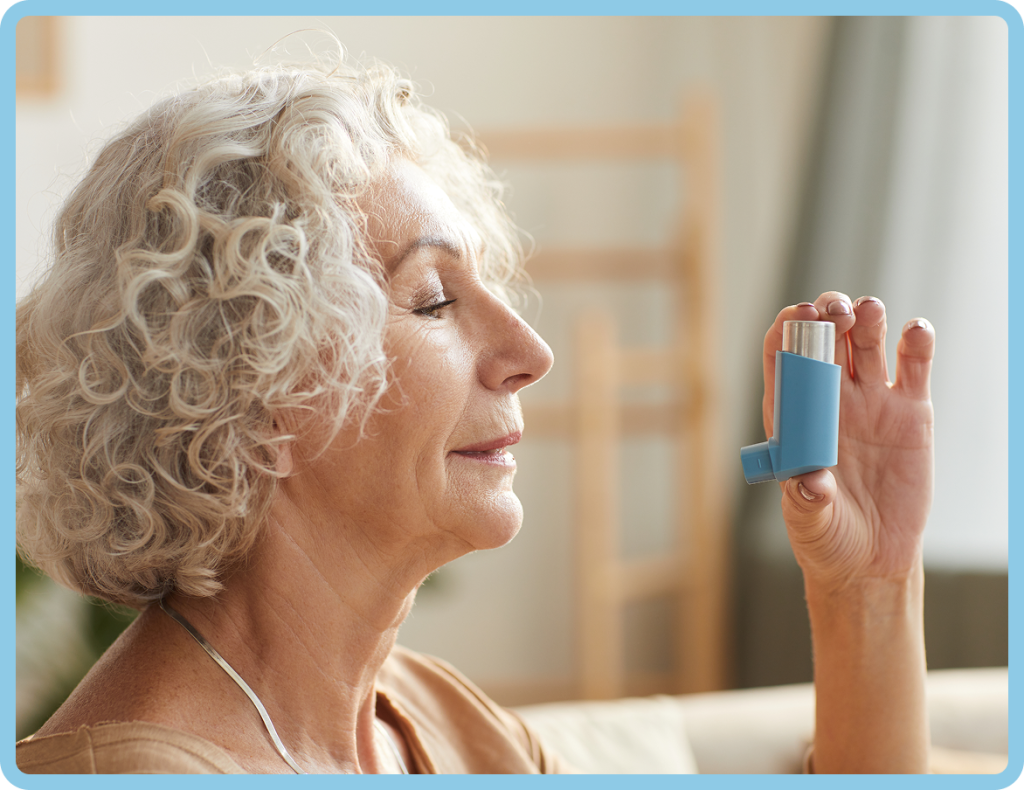
Inhalers for COPD
Types of inhalers
Bronchodilators

Steroid inhalers
Using your inhaler correctly
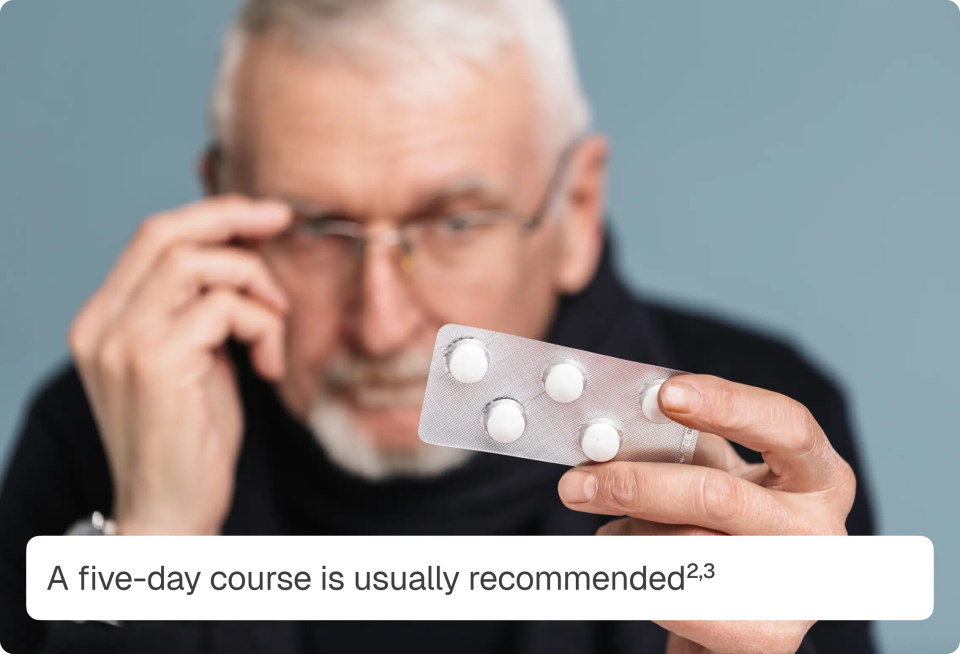
Steroid tablets for COPD
Steroid tablets can have side effects if used for a long time, such as:2
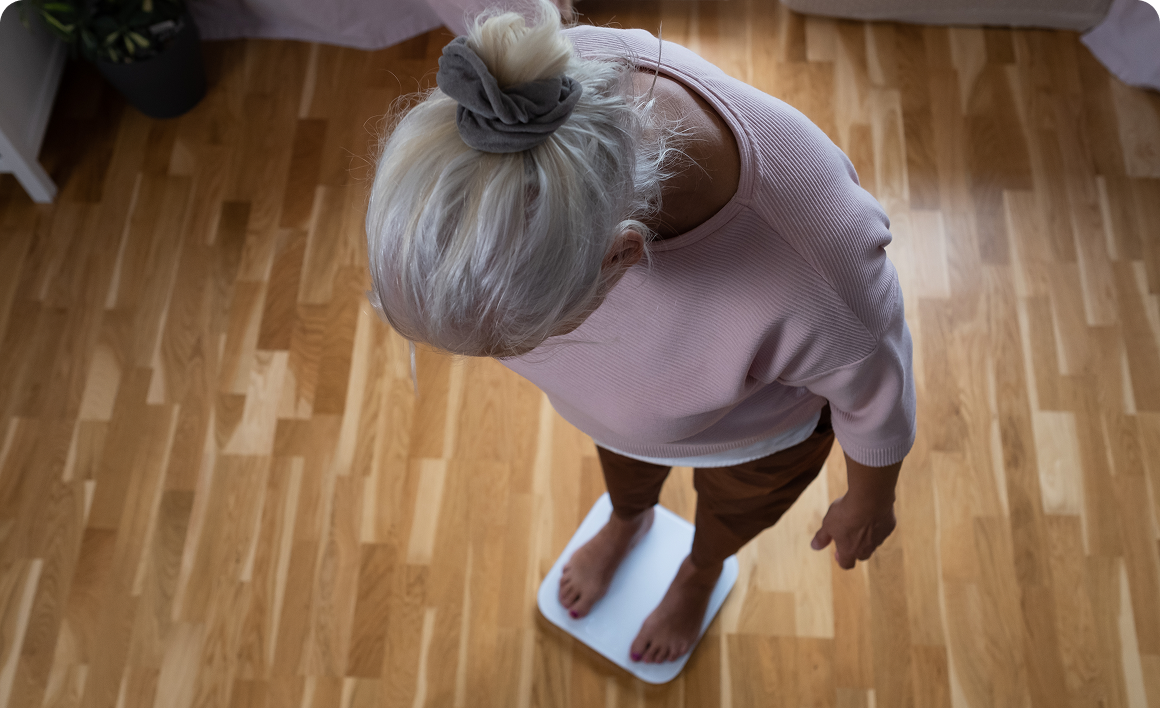
Weight gain

Mood changes

Weak bones (osteoporosis)
Other COPD medicines
Antibiotics
Mucolytics
Oxygen therapy for COPD
Types of oxygen therapy6
Long-term oxygen therapy
Used for 15 hours or more a day to keep oxygen levels stable
Ambulatory (portable) oxygen therapy
Helps you stay active while on the move
Palliative oxygen therapy
Used at the end of life to ease symptoms
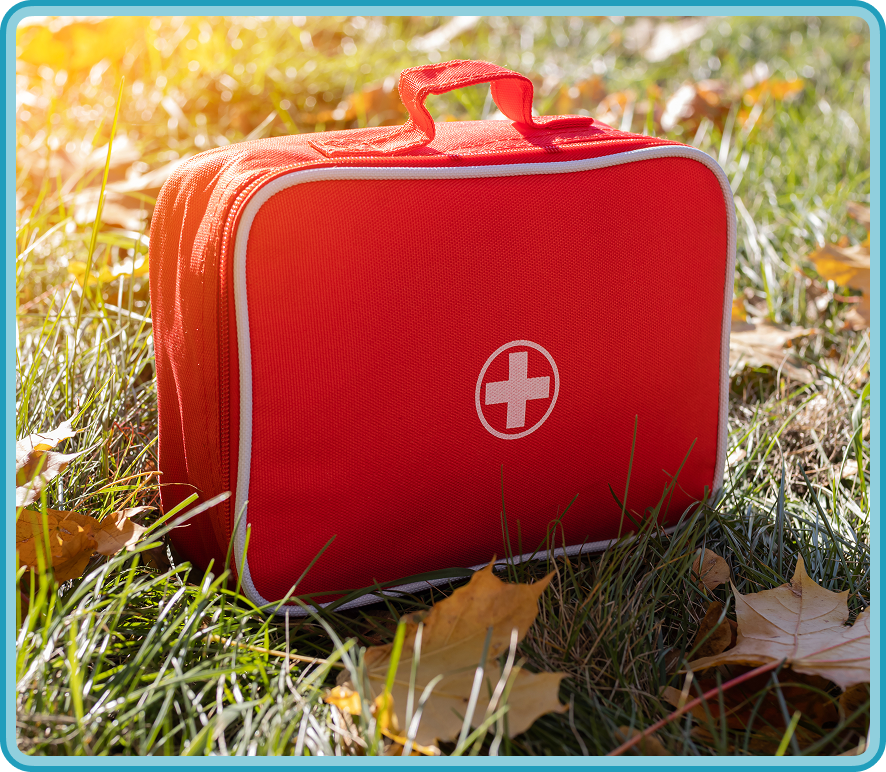
What is a Rescue Pack?
When should I use my Rescue Pack?
In case of emergency
Your chest feels tight or heavy
Pain spreads to your arms, neck, back or jaw
You feel confused suddenly
Understanding your COPD self-management plan
What might your COPD treatment plan include?

Stopping smoking
This is one of the most important things you can do for your lungs

Inhalers and medicines
These help ease symptoms and improve breathing

Pulmonary rehabilitation
A specialist programme of exercise and education to help you manage COPD

Oxygen therapy
Provides extra oxygen through a mask or nasal tubes if your levels are low

Non-invasive ventilation
Uses a mask over your nose or face to help you breathe more easily

Surgery or lung transplant
This is only considered in a small number of cases
Your healthcare team will take several things into account when creating your plan, including:3
Why is it important to follow your COPD self-management plan?

Help you manage flare-ups

Help you manage your breathing

Reduce your chances of needing hospital care

Improve your energy and ability to be active
How to use your COPD self-management plan
Know your medicines
Learn what they’re called, when to take them, and how much to take
Share information
Tell your carer, a family member, or anyone supporting you about your treatment
Use tools like the COPD self-management plan
The Asthma + Lung UK booklet includes a helpful tracker where you can write down your medications, doses, timings, and notes
Don’t forget
- Always get your repeat prescriptions on time
- Don’t stop taking medicines without speaking to your doctor
- Let your healthcare team know if you have any side effects or concerns
You are not alone – asking for help is an important part of managing your condition.
Add to discussion list
Not sure what to do?
Healthcare team could include a GP, nurse, pharmacist, physiotherapist, dietitian, occupational therapist, counsellor and stop smoking advisor.
Healthcare team could include a GP, nurse, pharmacist, physiotherapist, dietitian, occupational therapist, counsellor and stop smoking advisor.
Abbreviations:
References:
- Asthma + Lung UK. Managing COPD flare-ups. Available at: https://www.asthmaandlung.org.uk/conditions/copd-chronic-obstructive-pulmonary-disease/managing-copd-flare-ups. Accessed November 2025.
- NHS. Treatment. Available at: https://www.nhs.uk/conditions/chronic-obstructive-pulmonary-disease-copd/treatment/. Accessed November 2025.
- Asthma + Lung UK. Medications for COPD. Available at: https://www.asthmaandlung.org.uk/conditions/copd-chronic-obstructive-pulmonary-disease/medications-copd. Accessed November 2025.
- Jardim JR, et al. Med Sci (Basel). 2019;7:doi.org/10.3390/medsci7040054.
- Vestbo J, et al. Thorax. 2009;64:939-943.
- Asthma + Lung UK. What is home oxygen therapy? Available at: https://www.asthmaandlung.org.uk/symptoms-tests-treatments/treatments/home-oxygen-therapy/what-is. Accessed November 2025.
- Asthma + Lung UK. Will I benefit from home oxygen therapy? Available at: https://www.asthmaandlung.org.uk/conditions/home-oxygen-therapy/will-i-benefit-home-oxygen-therapy. Accessed November 2025.
- Asthma + Lung UK. How is home oxygen delivered? Available at: https://www.asthmaandlung.org.uk/conditions/home-oxygen-therapy/how-home-oxygen-delivered. Accessed November 2025.
- NHS. Living with COPD. Available at: https://www.nhs.uk/conditions/chronic-obstructive-pulmonary-disease-copd/living-with/. Accessed November 2025.
- Asthma + Lung UK. What can you do to manage your COPD? Available at: https://www.asthmaandlung.org.uk/conditions/copd-chronic-obstructive-pulmonary-disease/what-can-you-do-manage-your-copd. Accessed November 2025.
- Asthma + Lung UK. COPD Management Plan. Available at: https://shop.asthmaandlung.org.uk/collections/health-advice-resources/products/copd-self-management-plan. Accessed November 2025.