This website has been initiated and funded by the biopharmaceutical company, Chiesi Ltd. This website is for UK residents only.
For further information and advice on COPD, please contact your healthcare professional.

Emotional Picture

Emotional Wellbeing with COPD

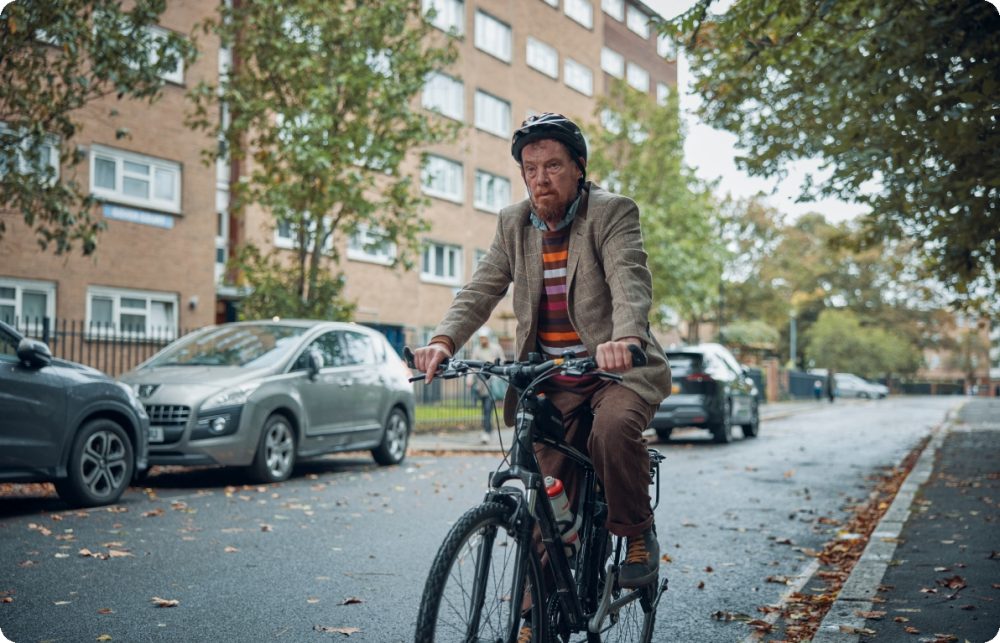
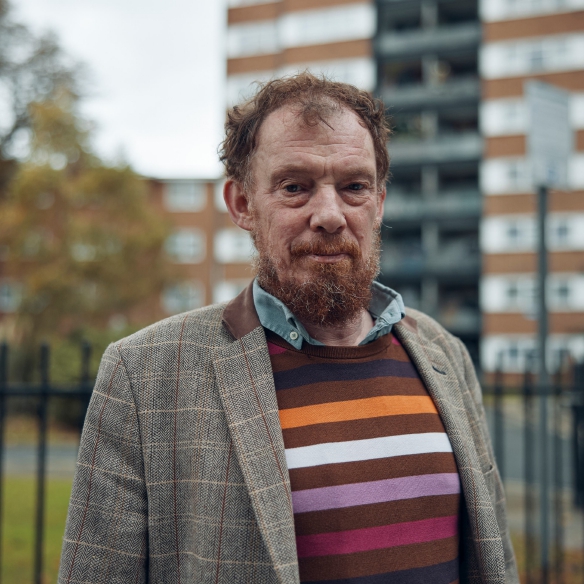
It’s common for people with long-term conditions, including COPD, to have anxiety and depression. For many people, living with a COPD affects their quality of life. You can have physical symptoms, like getting out of breath and feeling tired. But living with a long-term health condition can also affect your mental health and your ability to cope with daily life.1

How COPD Can Affect Your Emotional Wellbeing

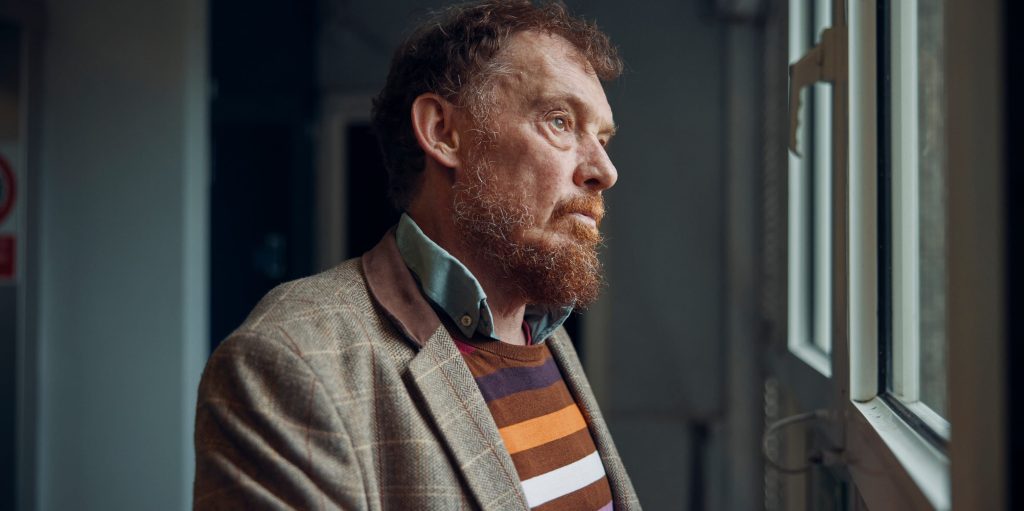
When you're living with COPD, the mental and emotional challenges can make daily life hard. You might:1

Live in fear of a flare-up

Feel frustrated that family, friends or employers don't understand your condition

Feel depressed because it's hard to do things due to symptoms

Feel lonely because your symptoms mean that you miss out on socialising

Feel anxious about finances, work or the future

Over time, these experiences can lead to anxiety and depression. You’re not alone — many people with COPD feel this way at some point.1,2
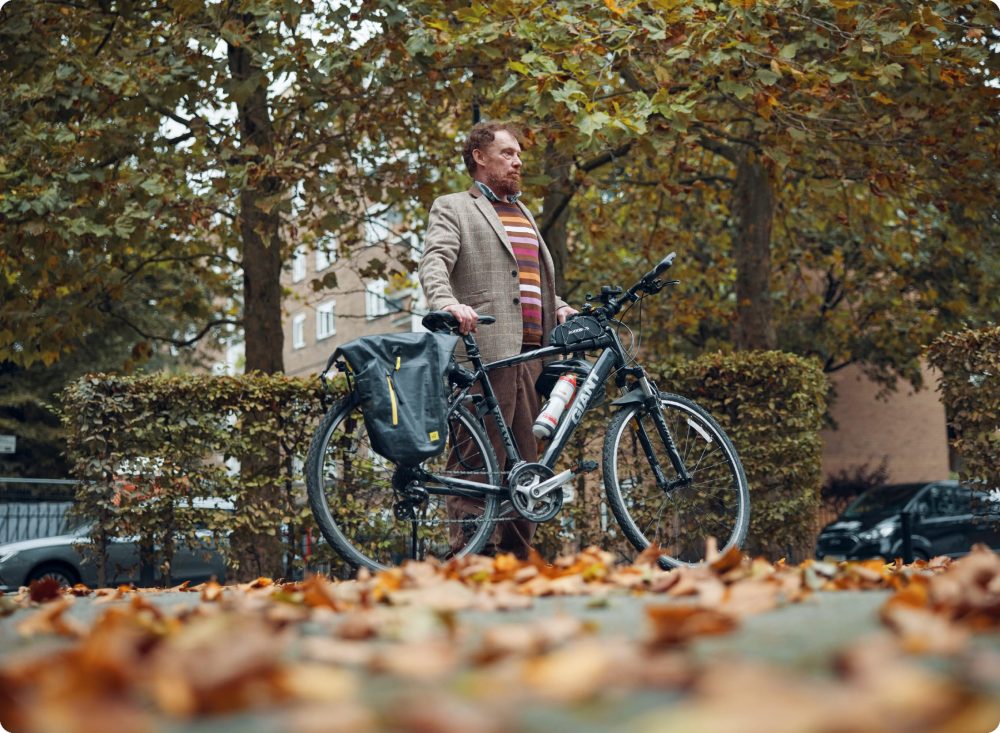
Your healthcare team can support you to manage your lung condition well. Once you’re managing your condition well this may help improve your low mood. They can also support you with your mental and emotional health directly. It’s important to ask for help because stress, anxiety, or depression can sometimes affect all areas of your daily life, including how you manage your lung condition.1
Topic already on your list
Add to Discussion List
Looking After Your Mental Health

Looking After Your Mental Health

If you regularly feel low or anxious, it’s important to reach out for help. You might find it helpful to use the NHS self-assessment tool to reflect on how you’re feeling.1
Don’t forget to add a reminder in your discussion list so you can talk to your healthcare team at your next appointment.

You’re not alone — and help is available

There are several treatments that can help with depression and anxiety, including:3,4
Guided self-help
Guided self-help
Medication
Medication
Self-help groups and online forums
Talking therapies such as counselling or cognitive behavioural therapy (CBT)

Treatments That Can Help

Taking part in a pulmonary rehabilitation programme has also been shown to improve mental wellbeing in people with COPD.5

It might feel hard to go to appointments, especially when you’re feeling low — but attending regularly can make a big difference in the long run.

Find out more about how pulmonary rehabilitation might help your COPD.

Stopping Smoking and Mental Health

Stopping Smoking and Mental Health

Quitting smoking is one of the most important things you can do to manage your COPD and improve your quality of life. But giving up can be tough — and if you’ve tried before and struggled, it’s easy to feel frustrated or down.5
Don’t give up

Don’t give up

If one approach hasn’t worked for you, try another. Your healthcare team can help you find the support and treatments that suit you best.6

You’re also more likely to be successful with the support of friends, family, and your doctor or stop smoking adviser.6
Background image

Finding support for your COPD

Feeling overwhelmed is completely normal, but you don’t have to go through it alone. Talking to someone can really help. You could:1,3,7,8
Speak to a trusted friend or family member
Reach out to your GP, nurse or COPD specialist
Ask to be referred to talking therapies such as CBT
Call the Asthma + Lung UK helpline: 0300 222 5800
Finding support for your COPD
Even if you feel like you know plenty of people, you can still feel lonely—and that’s okay. Opening up or meeting new people can feel overwhelming, especially if you’ve felt this way for a while. Start small by connecting with people in everyday moments, like chatting with a shop cashier or a neighbour. You might also look for ways to link your interests with others. For example, if you like reading, you might think about joining an online book forum, visiting a library, or joining a book club. Remember to focus on environments where you feel safe and try not…
Even if you feel like you know plenty of people, you can still feel lonely—and that’s okay. Opening up or meeting new people can feel overwhelming, especially if you’ve felt this way for a while. Start small by connecting with people in everyday moments, like chatting with a shop cashier or a neighbour. You might also look for ways to link your interests with others. For example, if you like reading, you might think about joining an online book forum, visiting a library, or joining a book club. Remember to focus on environments where you feel safe and try not to put too much pressure on yourself.9
For more information on the types of support that may be available to you, visit our help and support pages.

Connect with others — support groups for your COPD

Joining a support group can be a great way to share your thoughts and experiences. Other people with COPD understand exactly what you’re going through — and just talking can help ease feelings of loneliness or low mood.

You can find in-person or online support groups and forums through Asthma + Lung UK.

Support group desktop image
Support group mobile image 1
Support group mobile image 2
Support group mobile image 3
Support group mobile image 4
If you want to talk about how you’re feeling, remember to add a note to your discussion list. That way, you won’t forget to bring it up with your healthcare team.
Topic already on your list
Add to Discussion List

Healthcare team could include a GP, nurse, pharmacist, physiotherapist, dietitian, occupational therapist, counsellor and stop smoking advisor.

Healthcare team could include a GP, nurse, pharmacist, physiotherapist, dietitian, occupational therapist, counsellor and stop smoking advisor.

Abbreviations:

COPD, chronic obstructive pulmonary disease; GP, general practitioner.

References:

UK-RES-2501778 | November 2025

You are now leaving copdandme.co.uk

By clicking this link, you will be taken to a website that is not owned or controlled by Chiesi. Chiesi is not responsible for the content provided on that site.

UK-RES-2501795 | August 2025

You are now leaving copdandme.co.uk

By clicking this link, you will be taken to another Chiesi website.

UK-RES-2501794 | August 2025